
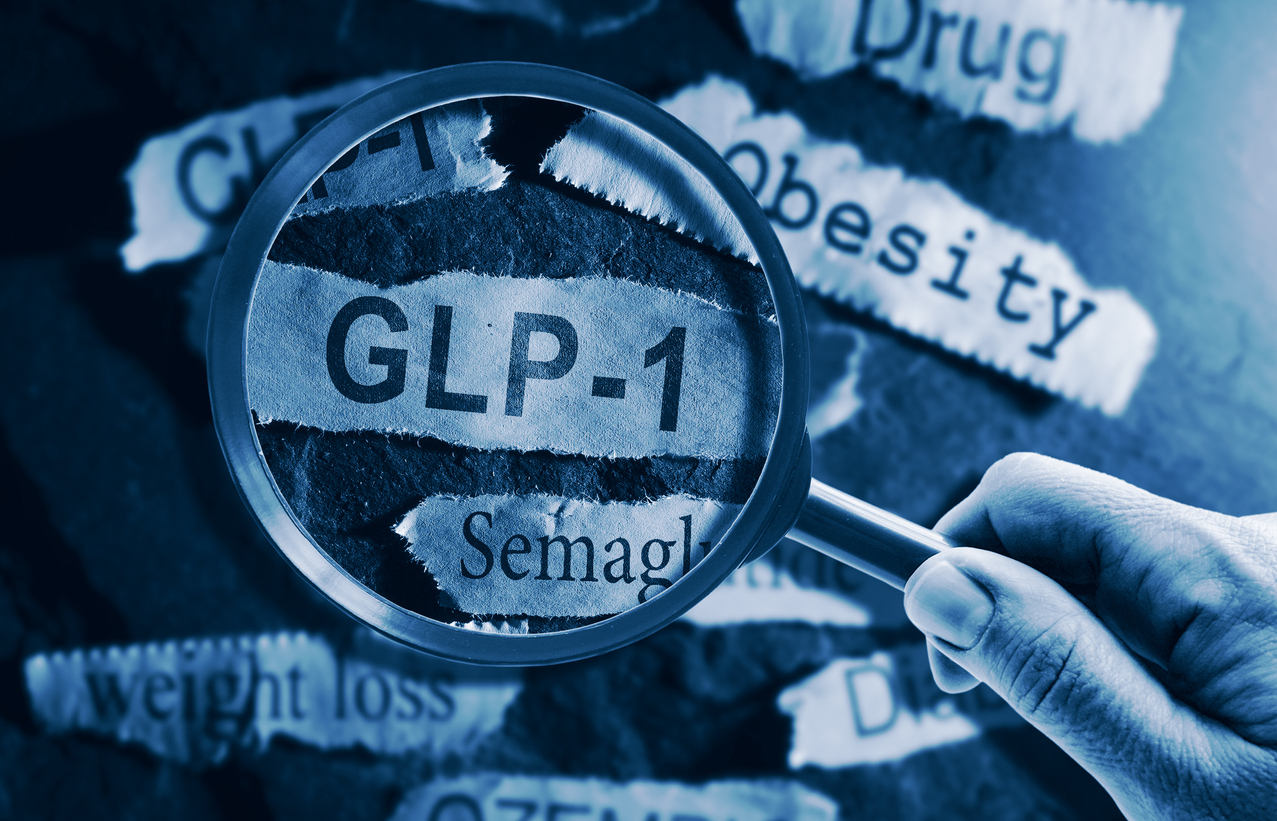
GLP-1 Medications: What They Are, Who They’re For, and Why Nutrition Support Still Matters
GLP-1 receptor agonists have quickly become one of the most talked-about topics in nutrition and health care. Many people are asking the same question: should I take one?
As a registered dietitian, my answer is nuanced. These medications can be powerful, evidence-based tools for the right person, but they are not a quick fix and they are not appropriate for everyone. Most importantly, medication alone does not replace the need for nutrition care, muscle preservation, and healing your relationship with food.
Let’s look at what the science shows and what often gets missed in the conversation.
GLP-1 receptor agonists are prescription medications that mimic a natural hormone in the body called glucagon-like peptide-1, or GLP-1. This hormone is released after eating and helps regulate blood sugar control, appetite and fullness, stomach emptying, and insulin and glucagon secretion.
By enhancing this natural signal, GLP-1 medications can improve blood sugar in type 2 diabetes, reduce hunger and food intake, and support meaningful weight loss in some individuals. Large clinical trials also show improvements in cardiometabolic health and reductions in cardiovascular risk in certain high-risk populations, meaning these medications are about health outcomes, not just weight.
Despite how widely they are discussed online, GLP-1 medications were developed for medical treatment of chronic disease, not cosmetic weight loss. They are generally prescribed for type 2 diabetes, particularly when blood sugar remains above target or when cardiovascular or kidney risk is present, and for chronic obesity affecting health.
Chronic obesity is typically defined as a body mass index of 30 or higher, or 27 or higher with a weight-related medical condition such as type 2 diabetes, high blood pressure, high cholesterol, sleep apnea, or cardiovascular disease. This distinction matters because when someone does not meet medical criteria, the balance of risk, benefit, and long-term need changes significantly.
We now have multi-year randomized clinical trial data on GLP-1 medications showing sustained weight loss while on treatment for up to two years or more, reduced major cardiovascular events in people with overweight or obesity and existing heart disease, kidney-protective effects in people with type 2 diabetes and chronic kidney disease, and weight regain after stopping medication that often trends back toward baseline biology.
This last point is especially important. GLP-1 medications often function like chronic therapy, similar to blood pressure or cholesterol medication, rather than a short-term course. This is not failure. It is physiology.
Most side effects are gastrointestinal, including nausea, reflux, constipation or diarrhea, and early fullness. These are usually most noticeable during dose increases and often improve with time and appropriate nutrition strategies.
Less common but important risks include gallbladder complications, symptoms of pancreatitis, worsening diabetic retinopathy in certain high-risk diabetes cases, and contraindications in pregnancy or specific thyroid cancer histories. This is why medical screening and monitoring are essential.
One of the biggest misconceptions is that if someone takes the medication, nutrition no longer matters. In reality, nutrition becomes more important, not less.
Because appetite decreases, there is a higher risk of inadequate protein intake, loss of lean muscle mass, low overall energy intake, micronutrient deficiencies, and fatigue or weakness. Weight loss without muscle preservation is not true health improvement. Muscle mass is essential for metabolism, strength, blood sugar control, long-term weight stability, and healthy aging.
This is where dietitian support becomes critical. Working with a dietitian helps ensure adequate protein intake, resistance training guidance, and balanced fueling to protect lean mass, along with strategies to manage side effects such as smaller, more frequent meals, gradual fiber intake, hydration planning, and adjusting fat intake if nausea occurs. Dietitian care also helps ensure sufficient calories, micronutrients, and hydration even when appetite is low.
GLP-1 medications can reduce hunger, but they do not automatically resolve emotional eating, binge–restrict cycles, food guilt or fear, body image distress, or diet culture pressure. In some cases, appetite suppression can even mask disordered eating patterns rather than address them.
True long-term well-being often requires nutrition counseling, behavioral and emotional support, body image work, and compassionate, non-restrictive approaches to food. Medication may be one tool, but it is rarely the only tool.
For people who medically qualify, GLP-1 medications can be effective, evidence-based, health-improving, and even life-changing, and I fully support their thoughtful use. But when someone does not meet medical criteria, is driven mainly by body dissatisfaction, wants a quick or temporary fix, or has an unhealed relationship with food, medication alone is unlikely to provide the outcome they are truly seeking. In these situations, other approaches may be safer, more sustainable, and more healing.
GLP-1 medications are important medical advances in the treatment of type 2 diabetes, chronic obesity, and cardiovascular and kidney risk. They are not trends or cosmetic tools. They work best when combined with medical supervision, dietitian-guided nutrition care, muscle-preserving lifestyle support, and attention to emotional health around food.
Because real health is never just about weight loss. It is about strength, nourishment, stability, and long-term well-being.
If you are considering a GLP-1 medication, the most important step is not choosing the drug. It is building the right care team to support your whole health, and that should always include a dietitian.
References:
Wilding, J. P. H., Batterham, R. L., Calanna, S., Davies, M., Van Gaal, L. F., Lingvay, I., … STEP 1 Study Group. (2021).
Once-weekly semaglutide in adults with overweight or obesity.
New England Journal of Medicine, 384(11), 989–1002.
Rubino, D., Abrahamsson, N., Davies, M., Hesse, D., Greenway, F. L., Jensen, C., … STEP 5 Study Group. (2022).
Effect of continued weekly semaglutide vs placebo on weight loss maintenance in adults with overweight or obesity.
Nature Medicine, 28, 2083–2091.
Jastreboff, A. M., Aronne, L. J., Ahmad, N. N., Wharton, S., Connery, L., Alves, B., … SURMOUNT-1 Investigators. (2022).
Tirzepatide once weekly for the treatment of obesity.
New England Journal of Medicine, 387(3), 205–216.
Wilding, J. P. H., Batterham, R. L., Davies, M., Van Gaal, L. F., Kandler, K., Konakli, K., … STEP 1 Extension Study Group. (2022).
Weight regain and cardiometabolic effects after withdrawal of semaglutide.
Diabetes, Obesity and Metabolism, 24(8), 1553–1564.
Lincoff, A. M., Brown-Frandsen, K., Colhoun, H. M., Deanfield, J., Emerson, S. S., Husain, M., … SELECT Investigators. (2023).
Semaglutide and cardiovascular outcomes in obesity without diabetes.
New England Journal of Medicine, 389, 2221–2232.
Marso, S. P., Daniels, G. H., Brown-Frandsen, K., Kristensen, P., Mann, J. F. E., Nauck, M. A., … LEADER Trial Investigators. (2016).
Liraglutide and cardiovascular outcomes in type 2 diabetes.
New England Journal of Medicine, 375, 311–322.
Marso, S. P., Bain, S. C., Consoli, A., Eliaschewitz, F. G., Jódar, E., Leiter, L. A., … SUSTAIN-6 Investigators. (2016).
Semaglutide and cardiovascular outcomes in type 2 diabetes.
New England Journal of Medicine, 375, 1834–1844.
Gerstein, H. C., Colhoun, H. M., Dagenais, G. R., Diaz, R., Lakshmanan, M., Pais, P., … REWIND Investigators. (2019).
Dulaglutide and cardiovascular outcomes in type 2 diabetes.
The Lancet, 394(10193), 121–130.
Mann, J. F. E., Ørsted, D. D., Brown-Frandsen, K., Marso, S. P., Poulter, N. R., Rasmussen, S., … FLOW Trial Committees and Investigators. (2024).
Semaglutide and renal outcomes in patients with type 2 diabetes and chronic kidney disease.
New England Journal of Medicine.
Drucker, D. J. (2018).
Mechanisms of action and therapeutic application of glucagon-like peptide-1.
Cell Metabolism, 27(4), 740–756.
Kristensen, S. L., Rørth, R., Jhund, P. S., Docherty, K. F., Sattar, N., Preiss, D., … McMurray, J. J. V. (2019).
Cardiovascular, mortality, and kidney outcomes with GLP-1 receptor agonists in type 2 diabetes: A systematic review and meta-analysis of cardiovascular outcome trials.
The Lancet Diabetes & Endocrinology, 7(10), 776–785.

Organic Vs. Non-Organic: What's the Healthiest Choice?
As a registered dietitian, one of the most common questions I get is: “Should I be buying organic?”
Let’s break down what the organic label actually means, what it doesn’t, and how to make informed food choices that support your health; without stress or guilt.
What Does “Organic” Mean in Canada?
In Canada, organic foods are regulated by the Canadian Food Inspection Agency (CFIA). For a product to be labeled “organic,” it must be certified under the Canadian Organic Standards. That means:
-
No synthetic fertilizers or pesticides (although natural pesticides are allowed)
-
No genetically modified organisms (GMOs)
-
No irradiation or artificial preservatives
-
Organic livestock must be raised with organic feed and without routine antibiotics or growth hormones
Organic farming uses different practices, but that doesn’t mean conventional farming is “bad” or unsafe. Let’s talk about why.
Are Conventional Foods Safe?
Absolutely. In Canada, all foods, whether organic or not, are strictly regulated by the CFIA to ensure they are safe to eat. That includes pesticide residues, antibiotics, additives, and more.
CFIA and Health Canada conduct regular surveillance, and data show that over 94% of produce in Canada has no detectable pesticide residue or residue well below safety limits.
Even better? You can use the Safe Fruits and Veggies Pesticide Calculator to see how many servings of your favorite fruit or vegetable you’d need to eat to reach a level that might pose a health risk. (Spoiler: it’s thousands per day.)
What About GMOs, Antibiotics, and Chemicals?
Let’s break down a few of the most misunderstood terms:
GMOs: Genetically modified crops are not harmful to human health. In fact, they can reduce pesticide use, improve crop yields, and make farming more sustainable. Major global health agencies, including the World Health Organization and Health Canada, agree that GMOs are safe to eat.
Antibiotics: In Canada, animals can receive antibiotics when medically necessary, but there are strict rules about how long farmers must wait before the animal’s products can be sold for food. By the time meat, milk, or eggs reach the store, they are tested and free from antibiotics.
Chemicals: Everything is made of chemicals, including water. What matters is the dose and type. Organic farming can still use natural pesticides (like copper sulfate), and these are not automatically safer or risk-free. “Chemical-free” is a marketing term, not a scientific one.
Is Organic Healthier?
Here’s what the research tells us:
Nutritional Content
-
Large meta-analyses (such as Stanford 2012 and Vigar et al., Nutrients 2020) show little to no meaningful differences in the nutritional content of organic versus conventional foods.
-
Some studies have found slightly higher antioxidant or omega-3 levels in organic produce or dairy, but these differences are small and unlikely to make a significant impact on health for most people.
Pesticide Exposure
-
Organic diets do result in lower levels of pesticide metabolites in urine.
-
However, the pesticide residues on conventional foods are already far below safety thresholds, so the benefit of further reduction is unclear. There is no strong evidence linking current levels of pesticide exposure from conventional foods to negative health outcomes.
Observational Studies
-
Some studies show that people who eat more organic foods have lower rates of certain health conditions, like metabolic syndrome or some types of cancer.
-
But these are observational studies. People who choose organic foods also tend to live healthier lifestyles overall:
-
They may exercise more
-
Eat more plants
-
Smoke less
-
Consume fewer ultra-processed foods
-
-
That means we can’t say organic foods are the cause of better health - it may be the overall pattern.
Should You Choose Organic?
If you prefer the taste, environmental impact, or farming practices of organic food - and it fits your budget - that’s a valid choice.
But if you’re feeling pressure or guilt to buy organic, especially when it’s not accessible or affordable, here’s the bottom line:
Eating more fruits and vegetables matters more than whether they’re organic or conventional.
Final Thoughts from a Dietitian
Your health doesn’t depend on whether you buy organic strawberries or conventional ones. What matters is:
-
Eating enough plant-based foods
-
Choosing fiber-rich whole foods when possible
-
Finding meals that are satisfying and easy to prepare
-
Building habits that feel sustainable
Organic food is a personal choice, not a nutritional requirement. As a dietitian, I’m here to help you feel confident in your food choices — whether you shop at the farmers market, grocery store, or both.
Food should nourish your body, not stress you out.
References & Further Reading
-
Vigar V, Myers S, Oliver C, Arellano J, Robinson S, Leifert C. A Systematic Review of Organic Versus Conventional Food Consumption: Is There a Measurable Benefit on Human Health? Nutrients. 2020;12(1):7. https://www.mdpi.com/2072-6643/12/1/7
-
Smith-Spangler C, et al. Are Organic Foods Safer or Healthier Than Conventional Alternatives? A Systematic Review. Ann Intern Med. 2012;157(5):348–366. https://pubmed.ncbi.nlm.nih.gov/22944875/
-
CFIA – Organic Products. https://inspection.canada.ca/organic-products/eng/1300139461200/1300140373901
-
Health Canada – Pesticides and Food Safety. https://www.canada.ca/en/health-canada/services/pesticides/canadian-residues-food.html
-
Safe Fruits and Veggies – Pesticide Residue Calculator. https://www.safefruitsandveggies.com/pesticide-residue-calculator/
-
UBC – Organic Foods: Are They Safer or Healthier Than Conventional Alternatives? https://med-fom-urlgsci.sites.olt.ubc.ca/files/2008/01/organic-foods.pdf
-
Nutrition Daily – Dirty Dozen Foods List: Is Organic Worth It? https://nutritiondaily.com/dirty-dozen-foods-list-is-organic-worth-it/
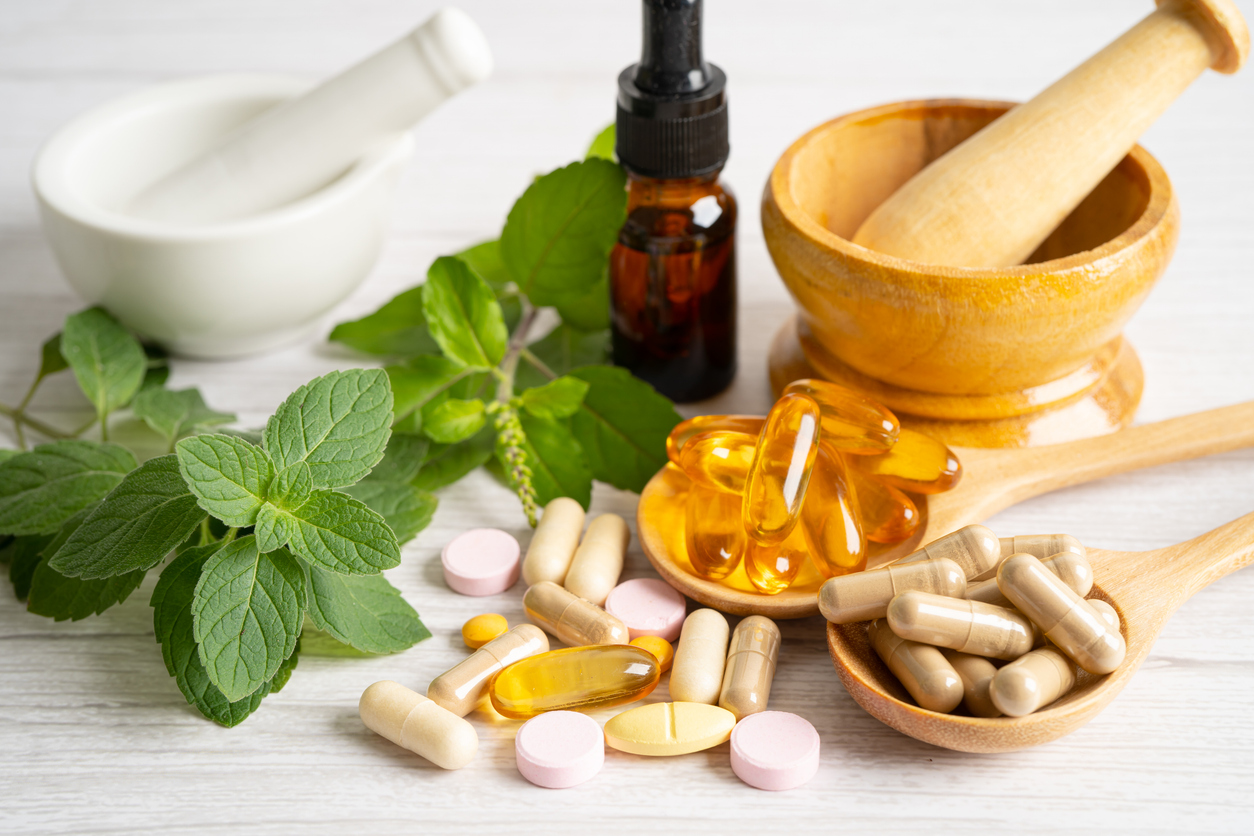
The Truth About Vitamins, Supplements, and Micronutrients
In a world where supplement shelves are overflowing with promises of better health, it can be overwhelming to know what your body truly needs. As a registered dietitian, I believe in a food-first approach, ensuring you get essential nutrients from your diet whenever possible. However, some supplements do have their place. Let’s break down the role of vitamins and minerals, where to get them from food, and which supplements are actually worth considering.
What Are Macronutrients and Micronutrients?
Nutrients are divided into two main categories: macronutrients and micronutrients.
-
Macronutrients include carbohydrates, proteins, and fats, which provide the body with energy and are needed in larger amounts.
-
Micronutrients include vitamins and minerals that your body needs in small amounts to function properly. They play a crucial role in immunity, energy production, bone health, and overall well-being. You don’t need large amounts of these nutrients to meet your needs, and in fact, excessive intake can be harmful.
Vitamins are classified into two categories:
-
Water-Soluble Vitamins (B vitamins, Vitamin C) – These are not stored in the body and need to be replenished regularly through diet.
-
Fat-Soluble Vitamins (Vitamins A, D, E, K) – These are stored in the body’s fat tissues and liver, meaning excessive amounts can lead to toxicity.
Food Sources of Essential Vitamins & Minerals
While supplements are widely available, food remains the best source of essential nutrients. Here are some key vitamins and minerals and where you can find them naturally:
-
Vitamin A – Found in carrots, sweet potatoes, spinach, and dairy, essential for vision and immune health.
-
B Vitamins (B1-B12) – Found in whole grains, eggs, dairy, fish, and legumes, crucial for energy production and brain function.
-
Vitamin C – Found in citrus fruits, bell peppers, strawberries, and broccoli, known for its role in immunity and collagen production.
-
Vitamin D – Found in fatty fish, egg yolks, and fortified dairy; primarily obtained through sunlight exposure, crucial for bone health and immune function.
-
Vitamin E – Found in nuts, seeds, and leafy greens, acting as an antioxidant.
-
Vitamin K – Found in leafy greens, broccoli, and fermented foods, essential for blood clotting and bone health.
-
Iron – Found in red meat, beans, lentils, and spinach, necessary for oxygen transport in the blood.
-
Magnesium – Found in nuts, seeds, whole grains, and dark chocolate, supports muscle and nerve function.
-
Zinc – Found in shellfish, meat, legumes, and dairy, important for immune function and wound healing.
Supplements: What’s Worth Taking?
While a balanced diet can provide most of the nutrients you need, some people may benefit from supplementation. Here are a few that I recommend in certain cases:
-
Vitamin D – Many people, especially those in colder climates with limited sun exposure, are deficient in vitamin D. This vitamin is crucial for bone health, immune function, and mood regulation.
-
Omega-3 Fatty Acids – Beneficial for heart and brain health, omega-3s are commonly found in fatty fish. Plant-based sources include flaxseeds, chia seeds, walnuts, hemp seeds, and algae-based supplements. Those who don’t consume these items regularly may benefit from a supplement.
-
Vitamin B12 – Essential for nerve function and energy production, B12 supplementation is recommended for vegetarians, vegans, and those with absorption issues.
Overhyped Supplements, Costly Myths & Debunking the Hype
The supplement industry thrives on marketing claims that don’t always hold up to scientific scrutiny. Beyond questionable benefits, many of these supplements come with a hefty price tag. Consumers often spend hundreds of dollars each year on products that provide little to no added health benefits when compared to a balanced diet. Here are some popular supplements that may not be worth the hype:
-
De-Bloating Pills – Many of these supplements contain diuretics or laxatives that may provide temporary relief but do not address the root causes of bloating, such as poor digestion, food intolerances, or imbalanced gut bacteria. Eating fiber-rich foods, staying hydrated, and managing stress are more effective long-term solutions.
-
Green Powders – Marketed as a substitute for fruits and vegetables, these powders lack fiber and the full nutrient profile of whole foods. While they can provide some micronutrients, they are not a replacement for a balanced diet.
-
Collagen Supplements – While collagen is important for skin, hair, and joint health, consuming collagen supplements doesn’t directly translate to increased collagen production in the body. Eating a protein-rich diet with amino acids is more effective.
-
Multivitamins – For most people with a well-balanced diet, a multivitamin isn’t necessary and can sometimes lead to excessive intake of certain nutrients. It’s better to focus on getting nutrients from whole foods when possible.
Final Thoughts: A Prizant Nutrition Approach to Supplements
At Prizant Nutrition, we believe in a balanced, sustainable approach to nutrition. A well-rounded diet rich in whole, nutrient-dense foods should always be the foundation of your health journey. Supplements can help fill in the gaps but should not replace a healthy eating pattern. If you're unsure about what your body needs, Prizant Nutrition is here to help. Our personalized approach ensures that you get the right guidance to meet your health goals without unnecessary supplements.
Do you take any supplements? Share your thoughts in the comments below!
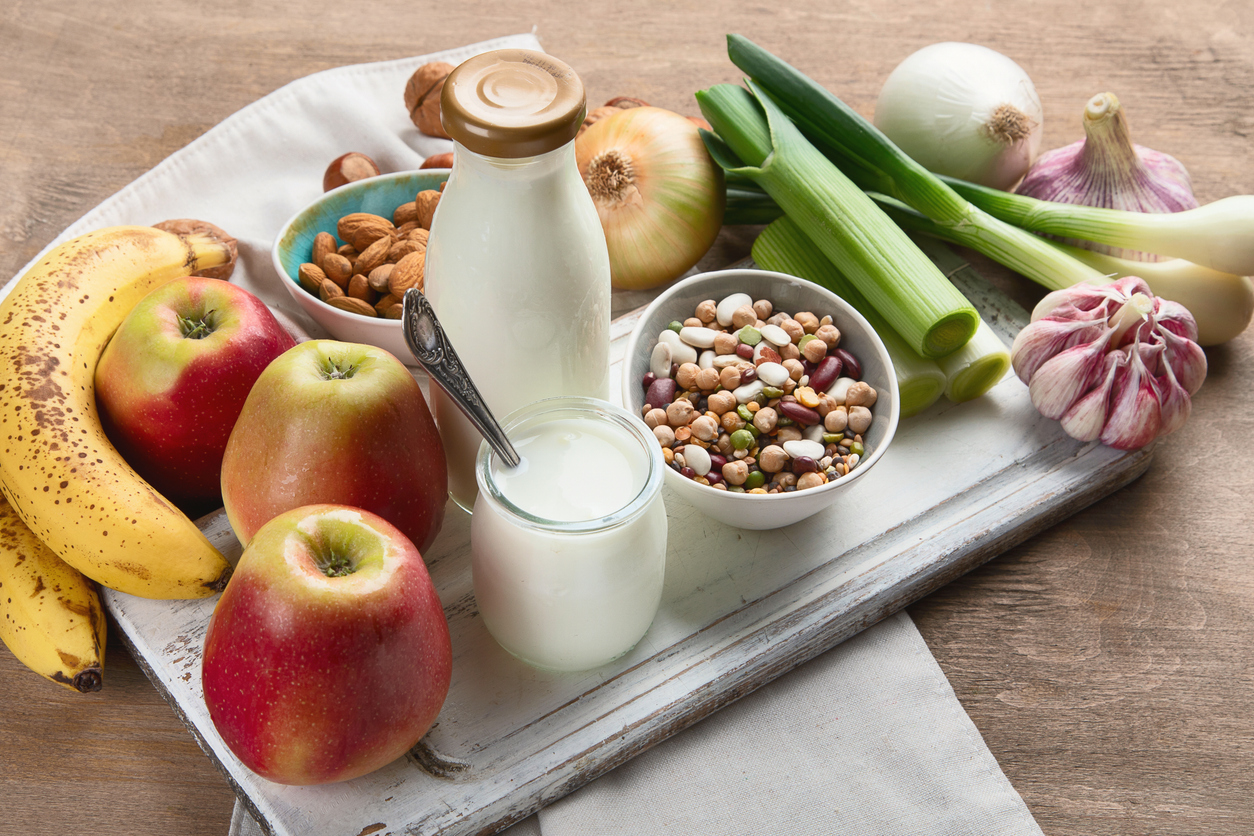
Understanding Bloating: What It Is and How to Manage It
Bloating is a common experience that many people deal with, but it can sometimes feel uncomfortable or frustrating. While bloating is often harmless, it can also be a sign of certain dietary or digestive issues. Let’s break down what bloating is, why it happens, and what you can do to reduce discomfort.
What Is Bloating?
Bloating is the feeling of fullness or tightness in the abdomen, often accompanied by gas or distension. Some people describe it as feeling “puffed up” or like their stomach is stretched out. While bloating is usually temporary, it can sometimes be persistent or uncomfortable.
Why Does Bloating Happen?
Bloating occurs for various reasons—some completely normal and others that may indicate an underlying issue. Here are some common causes:
1. Normal Digestion and Fermentation
Not all bloating is bad! When your body breaks down food, particularly fiber and certain carbohydrates, natural fermentation occurs in the gut. This process produces gas, which can cause temporary bloating. This type of bloating is completely normal and often subsides on its own.
2. Eating Too Quickly or Not Chewing Properly
When you eat too fast or don’t chew thoroughly, you swallow excess air, which can contribute to bloating. Large pieces of food also take longer to break down, leading to fermentation further along in the digestive tract.
3. Going Too Long Between Meals
When you go long periods without eating, your digestive system slows down, and your gut bacteria may produce more gas when you finally eat. This can lead to bloating and discomfort.
4. High-Sodium or Processed Foods
Too much sodium can cause water retention, making you feel bloated. Processed foods, which are often high in sodium, may contribute to this feeling of fullness.
5. Carbonated Beverages
Drinking soda, sparkling water, or other fizzy drinks introduces extra gas into your stomach, leading to bloating.
6. Food Sensitivities and Intolerances
Some people experience bloating due to food intolerances, such as lactose or gluten intolerance. These sensitivities can lead to improper digestion and excess gas production.
7. Constipation
When stool builds up in the colon, it can lead to bloating and discomfort. Constipation slows digestion, causing gas to accumulate and increasing pressure in the abdomen.
8. Hormonal Changes
Hormonal fluctuations, particularly around menstruation, can lead to bloating due to water retention and changes in digestion.
9. Underlying Digestive Conditions
Chronic bloating may be linked to conditions like irritable bowel syndrome (IBS), small intestinal bacterial overgrowth (SIBO), or other gut-related disorders. If bloating is persistent and severe, it may be worth discussing with a healthcare provider.
What Can Be Done to Reduce Bloating?
While some bloating is a natural part of digestion, there are ways to minimize discomfort and support healthy digestion:
✅ Chew Your Food Thoroughly – Taking time to chew properly can reduce the amount of air swallowed and make digestion easier.
✅ Eat Slowly – Eating at a slower pace allows your digestive system to keep up, preventing excess air from entering your stomach.
✅ Avoid Long Gaps Between Meals – Eating consistently throughout the day can prevent your digestive system from being overwhelmed when you finally eat.
✅ Choose the Right Foods – Eating a balanced diet with plenty of fiber and minimizing processed foods can reduce bloating. However, if certain high-fiber foods (like beans or cruciferous vegetables) cause discomfort, try introducing them gradually.
✅ Increase Fiber Intake Gradually – Fiber is essential for digestive health and preventing constipation, which can contribute to bloating. Ensure you're getting enough fiber from whole foods like fruits, vegetables, and whole grains while also staying hydrated.
✅ Stay Hydrated – Drinking enough water helps digestion and prevents constipation, which can contribute to bloating.
✅ Limit Carbonated Drinks – Reducing soda and sparkling water intake can minimize gas buildup.
✅ Monitor Food Sensitivities – If you suspect a food intolerance, keeping a food diary can help identify triggers.
Final Thoughts
Bloating is a natural part of digestion, but if it becomes excessive or uncomfortable, small lifestyle and dietary changes can help. If you experience persistent bloating that affects your daily life, consulting a dietitian can help you identify potential causes and find solutions tailored to you.
Looking for personalized nutrition guidance? Book an appointment at Prizant Nutrition and get expert support for your digestive health!
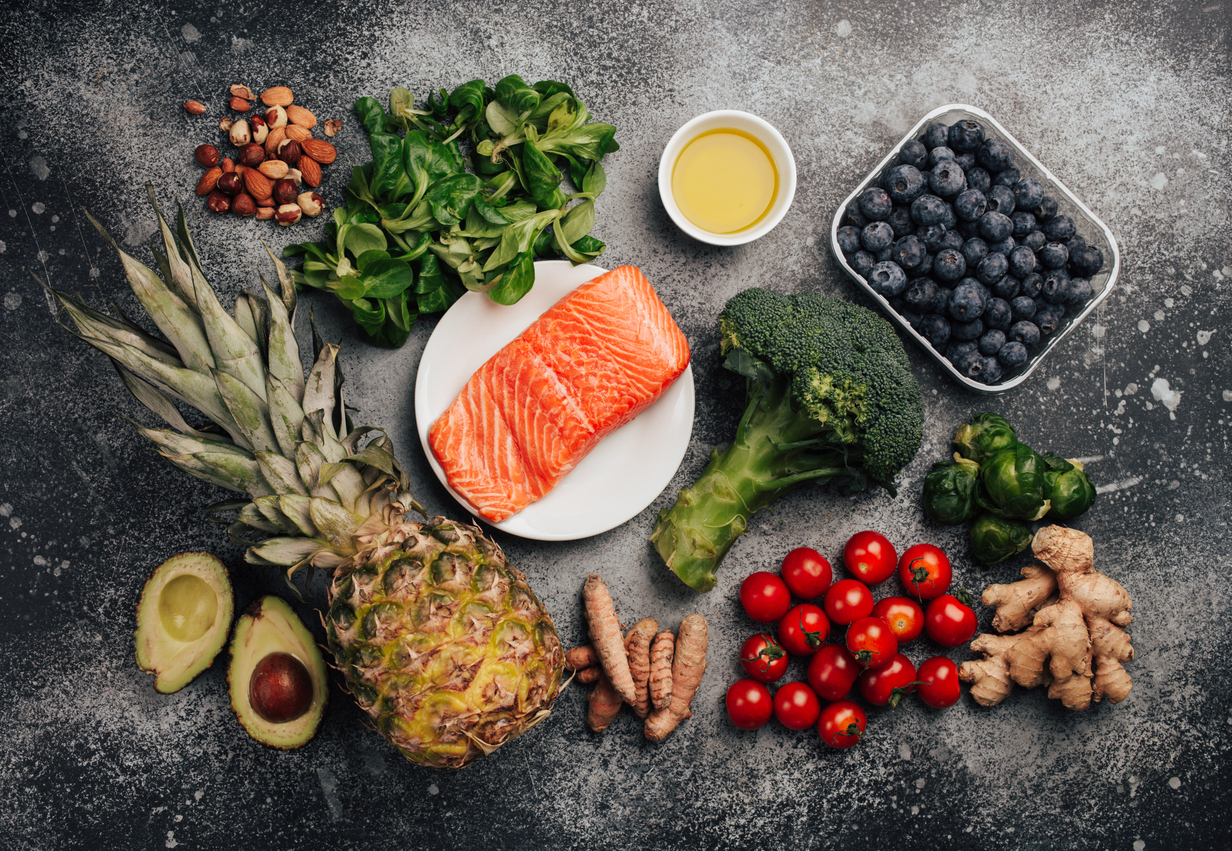
Cortisol, Inflammation, and the Truth Behind the Hype
If you’ve spent any time on social media lately, you’ve likely seen terms like “cortisol face,” “cortisol spikes,” and “inflammation” everywhere. These buzzwords often come with warnings about drinking coffee on an empty stomach or exercising too intensely, sparking unnecessary fear and confusion.
Before you start cutting out your morning coffee or entire food groups to “lower cortisol” or “reduce inflammation,” let’s break down what these terms actually mean—so you can make informed choices without falling for the latest health scare.
What is Cortisol?
Cortisol is a hormone produced by the adrenal glands that belongs to a class of steroid hormones called glucocorticoids. It plays a crucial role in regulating metabolism, managing the body’s stress response, and reducing inflammation when needed.
Cortisol is often called the “stress hormone” because it’s released in response to various stressors, including:
- Exercise
- Infection or illness
- Surgery or injury
- Emotional or psychological stress
- Lack of sleep
- Fasting or extreme calorie restriction
When your body encounters stress, the adrenal glands release cortisol, signaling your body to mobilize energy from glucose, protein, and fat. This response is essential for survival, ensuring your body has enough energy to function during periods of physical or mental demand.
So if cortisol is so important, why does it have such a bad reputation? The issue isn’t cortisol itself—it’s chronically high levels of cortisol over time that can lead to health problems.
Acute vs. Chronic Cortisol Spikes
Not all cortisol spikes are harmful. In fact, short-term, or acute cortisol spikes, are completely normal and necessary. The key is understanding the difference between acute and chronic elevation.
Acute Cortisol Spikes (Normal & Healthy)
These short-term spikes occur in response to temporary stressors such as:
- Exercise (especially high-intensity workouts)
- Waking up in the morning (the cortisol awakening response)
- Fighting off an infection
- Recovering from surgery or an injury
These spikes help your body adapt and recover. For example, cortisol rises naturally in the morning to wake you up and provide energy. After a workout, cortisol helps mobilize fuel for muscle repair and recovery. Your body is designed to handle these fluctuations.
Chronic Cortisol Elevation (What We Want to Avoid)
Chronically high cortisol levels occur when stress is constant, leading to health issues such as:
- Increased inflammation
- Weakened immune function
- Weight gain (especially around the abdomen)
- Blood sugar imbalances
- Sleep disturbances
- Mood swings and fatigue
- Increased risk of conditions like high blood pressure or Cushing’s syndrome
Ironically, one of the biggest contributors to chronic cortisol elevation is extreme dieting and food restriction. When your body doesn’t get enough energy from food, it perceives starvation as stress, triggering cortisol release. Over time, chronic under-eating can increase inflammation and even lead to weight gain rather than weight loss.
What About Inflammation?
Like cortisol, inflammation isn’t always bad. It’s a natural immune response that helps your body heal and fight infections. However, prolonged or chronic inflammation can lead to negative health effects.
Acute Inflammation (Good & Necessary)
When you get a cut, sprain an ankle, or fight off a cold, your immune system triggers inflammation to help your body heal. This is a short-term and beneficial process.
Chronic Inflammation (Harmful & Prolonged)
When inflammation remains activated for long periods without an injury or infection to fight off, it can contribute to:
- Heart disease
- Diabetes
- Autoimmune disorders
- Obesity
- Digestive issues
So how can we prevent chronically high cortisol and inflammation? It all comes down to balanced nutrition and lifestyle habits.
How to Support Healthy Cortisol Levels and Reduce Inflammation
You don’t need extreme diets, expensive supplements, or food restrictions to balance cortisol and reduce inflammation. Instead, focus on consistency and balance in these key areas:
Avoid Extreme Diets & Food Restriction
Why? Chronic calorie restriction and prolonged fasting signal starvation stress to your body, increasing cortisol levels.
Balance Blood Sugar with Protein & Fiber
Why? Blood sugar fluctuations can spike cortisol and contribute to inflammation.
How? Include:
- Protein sources like eggs, yogurt, fish, and beans
- Fiber-rich foods like whole grains, vegetables, and fruits
Eat Antioxidant-Rich Foods & Polyphenols
Why? These nutrients help combat oxidative stress and inflammation.
Where to Find Them?
- Berries (blueberries, strawberries, blackberries)
- Leafy Greens (spinach, kale, arugula)
- Green Tea (rich in catechins)
- Dark Chocolate (70% cocoa or higher)
- Turmeric & Ginger (natural anti-inflammatories)
Include Omega-3 Fatty Acids
Why? Omega-3s support anti-inflammatory processes in the body.
Where to Find Them?
- Fatty Fish (salmon, sardines, mackerel)
- Nuts & Seeds (chia seeds, flaxseeds, walnuts)
Prioritize Gut Health with Fiber & Fermented Foods
Why? A healthy gut microbiome plays a major role in immune function and inflammation control.
Where to Find Them?
- Fiber (whole grains, vegetables, beans)
- Fermented Foods (yogurt, kefir, sauerkraut, kimchi)
Prioritize Sleep & Manage Stress
Why? Poor sleep and unmanaged stress disrupt cortisol regulation.
How?
- Aim for 7-9 hours of quality sleep
- Practice meditation, deep breathing, or mindfulness to reduce stress
Exercise Regularly (Without Overdoing It!)
Why? Movement helps regulate cortisol and inflammation.
How? A mix of strength training, low-impact activities (like walking), and enjoyable workouts is best.
The Bottom Line
Cortisol and inflammation aren’t the enemies—they’re essential processes that help your body function properly. The real issue is chronic elevation, which can often be managed through balanced eating, stress reduction, and smart lifestyle choices.
So, if you’re still wondering whether your morning coffee is making you gain weight—the answer is no! Just pair it with a protein- and fiber-rich breakfast, and you’re good to go. No unnecessary restrictions, no stress—just smart, sustainable nutrition.
Got questions or a topic you’d love to see covered next? Let me know—I’d love to hear from you!